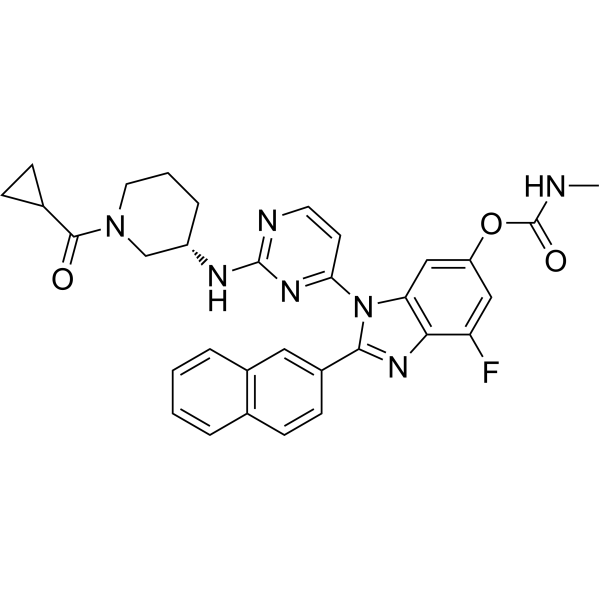
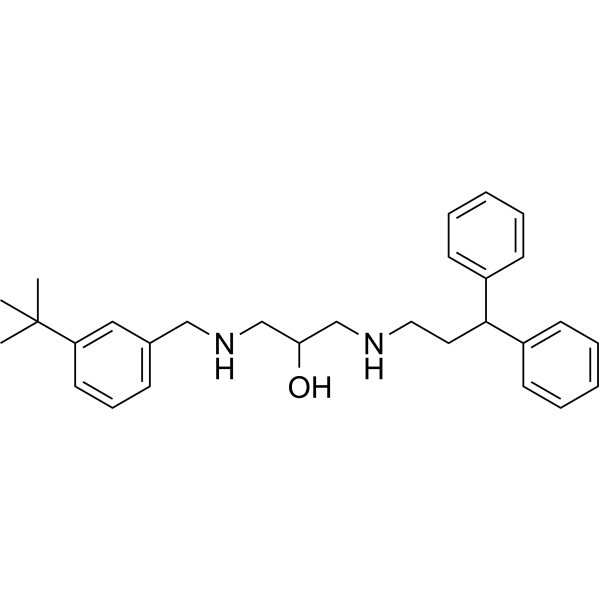
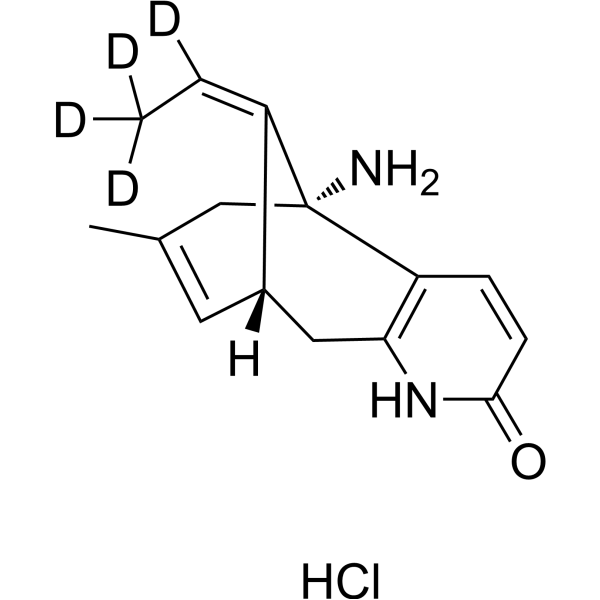
1. Search Result
Search Result
Results for "

Alzheimer's disease (AD)

" in MedChemExpress (MCE) Product Catalog:

132

Inhibitors & Agonists

4

Screening Libraries

1

Fluorescent Dyes

1

Biochemical Assay Reagents

9

Peptides

5

Inhibitory Antibodies

12

Natural
Products

9

Isotope-Labeled Compounds

Cat. No. Product Name Target Research Areas Chemical Structure
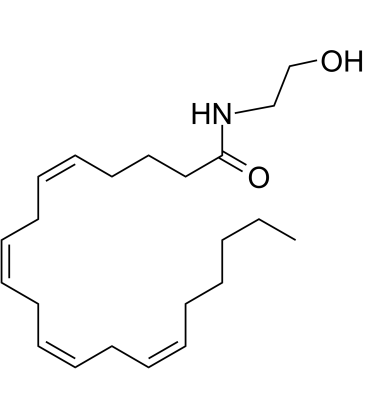
  • HY-10863
    Anandamide
    2 Publications Verification

    AEA; Arachidonoyl ethanolamide

    Cannabinoid Receptor PPAR TRP Channel GPR55 Fungal Tau Protein Endogenous Metabolite Infection Neurological Disease Metabolic Disease Inflammation/Immunology
    Anandamide is an endocannabinoid. Anandamide modulates both neuronal and immune functions through two protein-coupled cannabinoid receptors (CB1 and CB2). Anandamide can activate numerous other receptors like PPARS, TRPV1, and GPR18/GPR55. Anandamide also has potential anti-fungal and anti-inflammatory activities. Anandamide can be used for the research of Alzheimer’s disease (AD) and ulcerative colitis .
    Anandamide
  • HY-50682
    Azeliragon
    Maximum Cited Publications
    15 Publications Verification

    TTP488; PF-04494700

    Amyloid-β Neurological Disease Cancer
    Azeliragon (TTP488) is an orally bioavailable inhibitor of the receptor for advanced glycation end products (RAGE) in development as a potential treatment to slow disease progression with mild Alzheimer’s disease (AD) . Azeliragon also can cross the blood-brain barrier (BBB) .
    Azeliragon
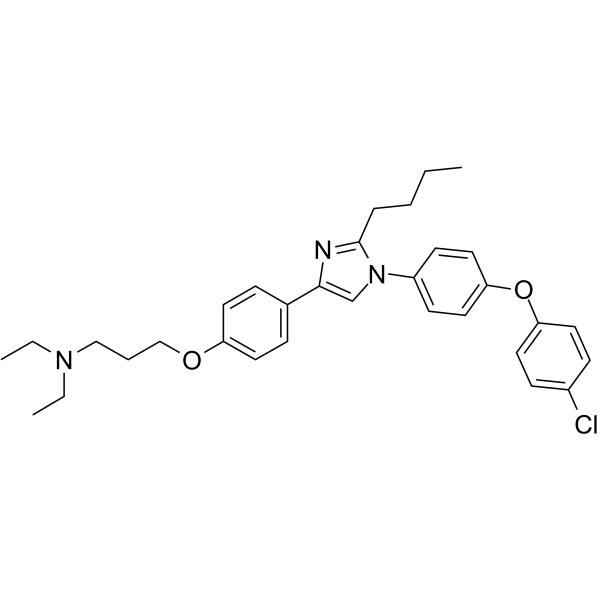
  • HY-P1389

    Neuropeptide S Receptor Neurological Disease
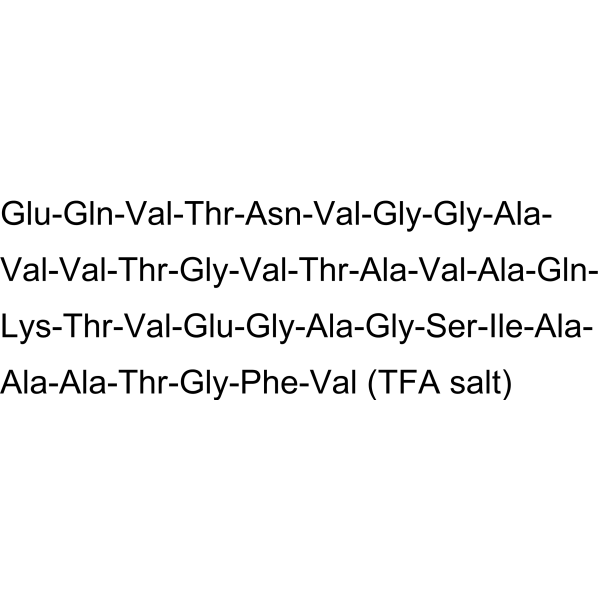
    Neuropeptide S human, a neuropeptide, is a potent cognate neuropeptide S receptor (NPSR) agonist. Neuropeptide S human can be used for Alzheimer's disease (AD) research .
    Neuropeptide S (human)
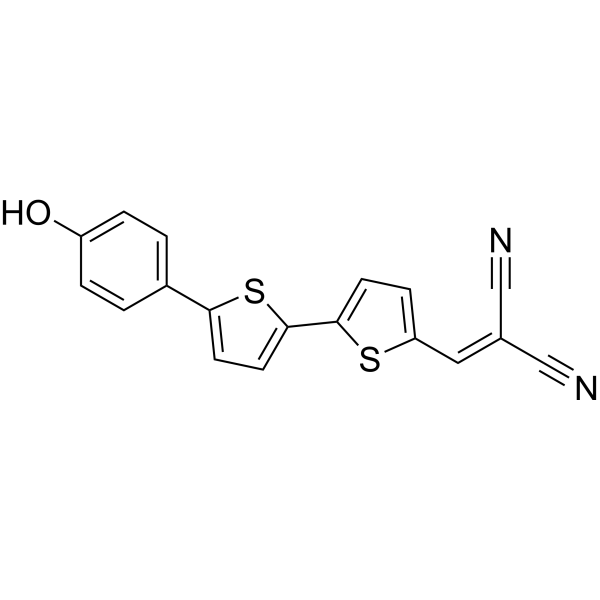
  • HY-111263
    NIAD-4
    1 Publications Verification

    Fluorescent Dye Amyloid-β Others
    NIAD-4 is a blood-brain barrier permeable fluorophore for optical imaging of amyloid-β () in the central nervous system (CNS) for Alzheimer’s disease (AD). NIAD-4 binds to the same Aβ site with the binding affinity (Ki) of 10 nM .
    NIAD-4
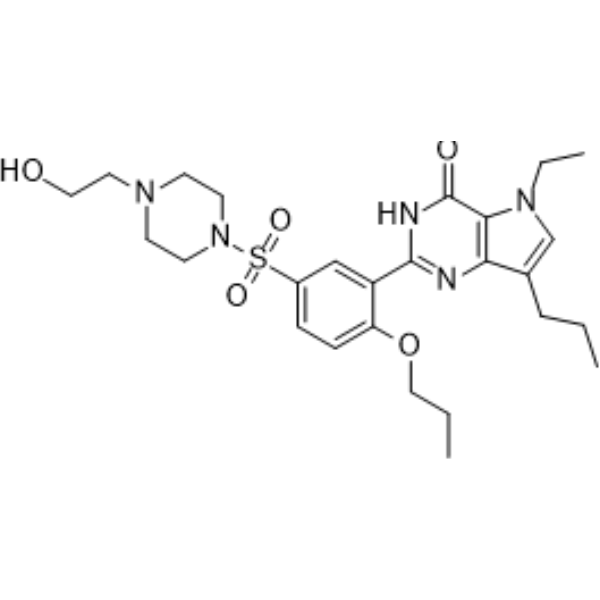
  • HY-14930

    SK3530

    Phosphodiesterase (PDE) Glucocorticoid Receptor Wnt β-catenin Apoptosis Neurological Disease Inflammation/Immunology Endocrinology
    Mirodenafil (SK3530) is an orally active, potent, reversible, and selective phosphodiesterase 5 (PDE5) inhibitor. Mirodenafil is a glucocorticoid receptor (GR) modulator Mirodenafil activates the Wnt/β-catenin signaling pathway by downregulating Dkk1 expression. Mirodenafil can be used for the research of erectile dysfunction (ED), Alzheimer’s disease (AD) and systemic sclerosis (SSc) .
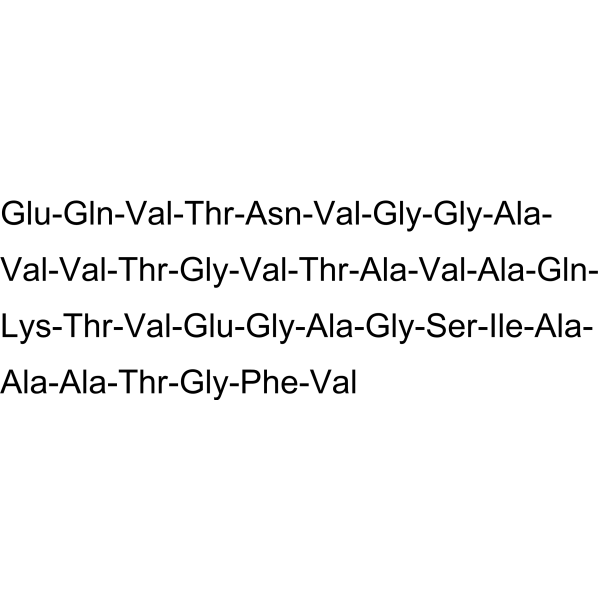
    Mirodenafil
  • HY-14930A

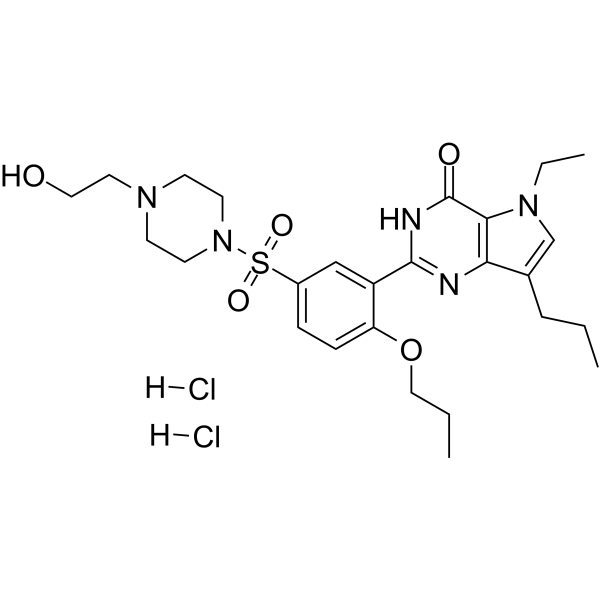
    SK-3530 dihydrochloride

    Phosphodiesterase (PDE) Glucocorticoid Receptor Wnt β-catenin Apoptosis Neurological Disease Inflammation/Immunology Endocrinology
    Mirodenafil (SK3530) dihydrochloride is an orally active, potent, reversible, and selective phosphodiesterase 5 (PDE5) inhibitor. Mirodenafil dihydrochloride is a glucocorticoid receptor (GR) modulator Mirodenafil dihydrochloride activates the Wnt/β-catenin signaling pathway by downregulating Dkk1 expression. Mirodenafil dihydrochloride can be used for the research of erectile dysfunction (ED), Alzheimer’s disease (AD) and systemic sclerosis (SSc) .
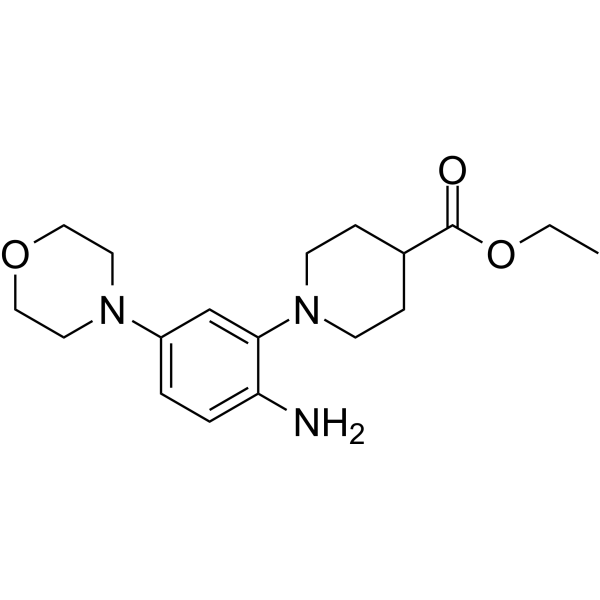
    Mirodenafil dihydrochloride
  • HY-117049
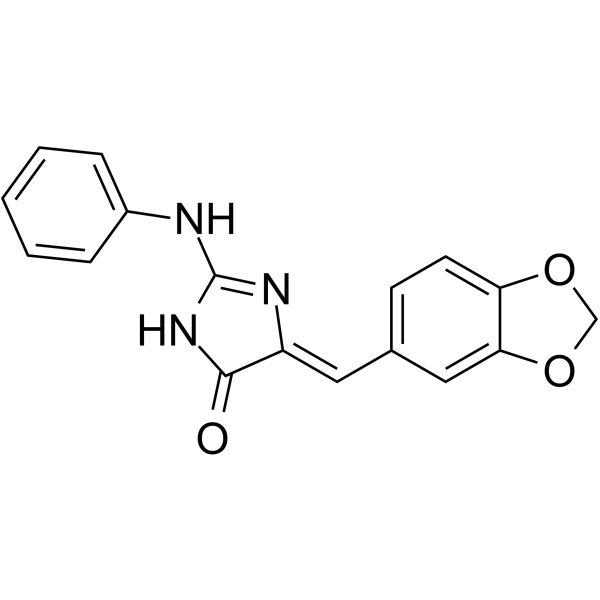
    Leucettine L41
    1 Publications Verification

    DYRK CDK GSK-3 Apoptosis Reactive Oxygen Species (ROS) Neurological Disease Metabolic Disease
    Leucettine L41 is a potent inhibitor of dual-specificity tyrosine phosphorylation-regulated kinases (DYRKs) and CDC-like kinases (CLKs). Leucettine L41 can also inhibit GSK-3 singnaling. Leucettine L41 can inhibit cell apoptosis and ROS production. Leucettine L41 can promote β-cell cell cycle progression, cell proliferation and increase insulin secretion. Leucettine L41 can be used for the researches of neurological disease and metabolic disease, such as Alzheimer’s disease (AD) and diabetes .
    Leucettine L41
  • HY-P99185

    AAB-001

    Amyloid-β Neurological Disease
    Bapineuzumab is an anti-β-amyloid protein (APP) monoclonal antibody. Bapineuzumab is a humanized IgG1 that recognizes the N terminus of Aβ cleared plaques from the brains. Bapineuzumab can be used for the research of Alzheimer’s disease (AD) .
    Bapineuzumab
  • HY-B1804

    Trioctanoin; Glyceryl trioctanoate

    Endogenous Metabolite Neurological Disease Inflammation/Immunology
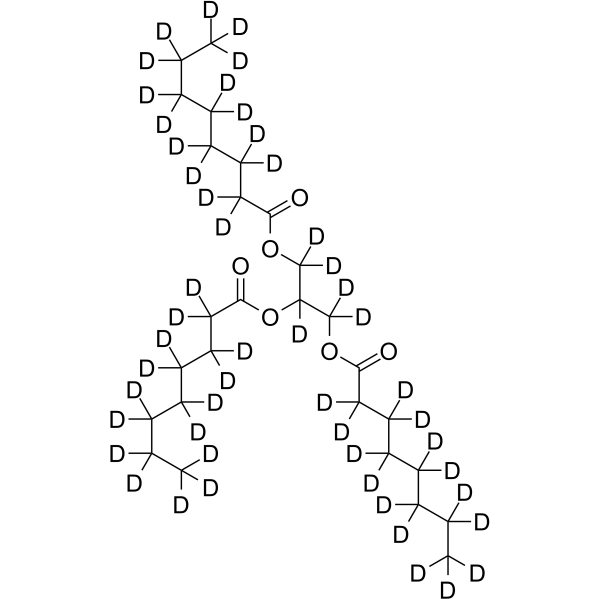
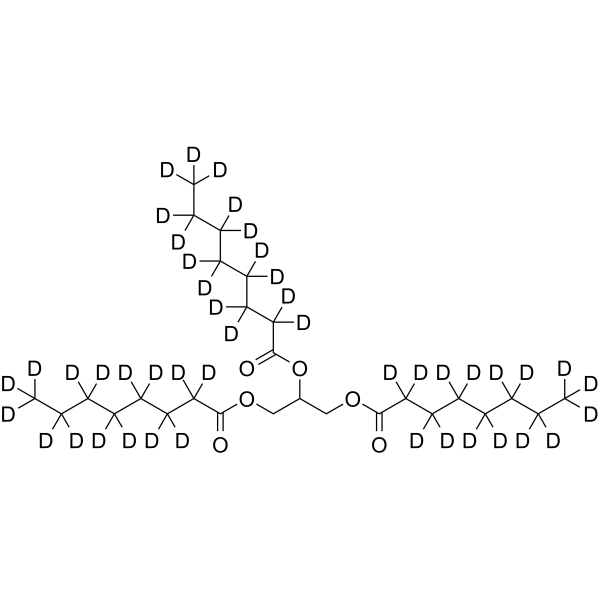
    Tricaprilin (Trioctanoin) is an orally active and well tolerated ketogenic agent that safely induces ketosis. Tricaprilin restores brain electrical activity and metabolism to help counteract neuroinflammation in migraine. Tricaprilin is promising for research of migraine prevention and Alzheimer’s disease (AD). Tricaprilin is a pure C8 medium chain triglyceride (MCT) .
    Tricaprilin
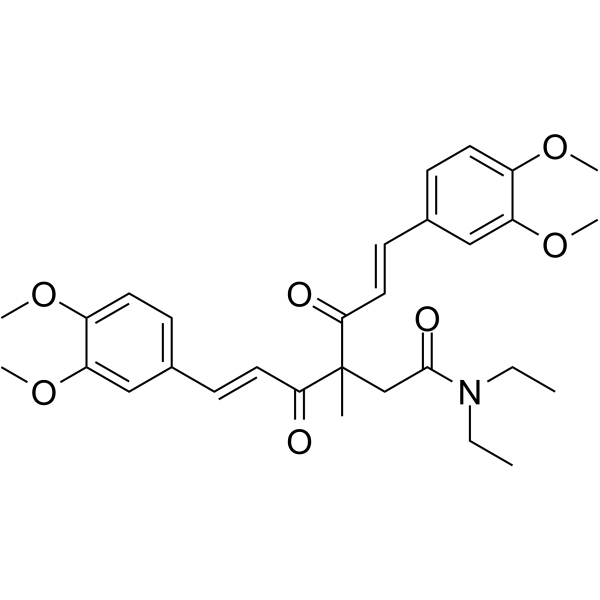
  • HY-137315

    Amyloid-β NF-κB mTOR Keap1-Nrf2 Neurological Disease
    TML-6, an orally active curcumin derivative, inhibits the synthesis of the β-amyloid precursor protein and β-amyloid (Aβ). TML-6 can upregulate Apo E, suppress NF-κB and mTOR, and increase the activity of the anti-oxidative Nrf2 gene. TML-6 has the potential for Alzheimer’s disease (AD) research .
    TML-6
  • HY-178324

    TREM receptor Syk Neurological Disease Inflammation/Immunology
    T2M-010 is a potent, brain-penetrant TREM2 agonist (Kd = 0.83 μM). T2M-010 activates receptor-proximal signaling, inducing SYK phosphorylation in TREM2-expressing cells, and promotes microglial phagocytosis. T2M-010 can be used for the study of protective microglial responses relevant to Alzheimer’s disease (AD) .
    T2M-010
  • HY-14679

    GSK-3 Neurological Disease
    GSK3β inhibitor II is an inhibitor of GSK3β. GSK3β inhibitor II can be used for research of Alzheimer’s disease (AD) .
    GSK3β inhibitor II
  • HY-P991373

    Tau Protein Neurological Disease
    APNmAb005 is a human monoclonal antibody (mAb) targeting MAPT/Tau/PHF-tau. APNmAb005 blocks tau seeding in vitro and rescues neuronal loss in rTG4510 mice. APNmAb005 can be used in Alzheimer’s disease (AD) research .
    APNmAb005
  • HY-137472

    GSK-3 Neurological Disease
    SAR502250 is a potent, selective, ATP competitive, orally active and brain-penetrant inhibitor of GSK3, with an IC50 of 12 nM for human GSK-3β. SAR502250 displays antidepressant-like activity. SAR502250 can be used for the research of Alzheimer’s disease (AD) .
    SAR502250
  • HY-13779A

    Monoamine Oxidase Dopamine Transporter Neurological Disease
    J147 is an exceptionally potent, orally active, neuroprotective agent for cognitive enhancement. J147 can pass the blood brain barrier (BBB). J147 can inhibit monoamine oxidase B (MAO B) and the dopamine transporter. J147 plays an impotant role in Alzheimer’s disease (AD) .
    J147
  • HY-149010

    Keap1-Nrf2 Neurological Disease
    NXPZ-2 is an orally active Keap1-Nrf2 protein–protein interaction (PPI) inhibitor with a Ki value of 95 nM, EC50 value of 120 and 170 nM. NXPZ-2 can dose-dependently ameliorate Aβ[1-42]-Induced cognitive dysfunction, improve brain tissue pathological changes in Alzheimer’s disease (AD) mouse by increasing neuron quantity and function. NXPZ-2 can inhibit oxidative stress by increasing Nrf2 expression levels and promoting its cytoplasm to nuclear translocation, which is helpful for Keap1-Nrf2 PPI inhibitors and AD associated disease research .
    NXPZ-2
  • HY-159904

    Acyltransferase Neurological Disease Cancer
    ChAT IN-1 is a selective Choline Acetyltransferase (ChAT) inhibitor. It can be used to study mechanisms related to the overexpression of non-neuronal ChAT in cancers (e.g., colorectal and lung cancers) and Alzheimer’s disease (AD) .
    ChAT IN-1
  • HY-162076

    Cathepsin Neurological Disease
    AEP-IN-3 (compound 18) is an orally active, potent and brain penetrant asparagine endopeptidase (AEP) inhibitor, with an IC50 of 7.8 ± 0.9 nM. AEP-IN-3 can be used for Alzheimer’s Disease (AD) research .
    AEP-IN-3
  • HY-175352

    Nuclear Hormone Receptor 4A/NR4A SOD IAP Survivin Calcium Channel Neurological Disease
    Nurr1 agonist 14 (Compound 32) is a Nurr1 agonist with an EC50 of 0.09  μM for Nurr1. Nurr1 agonist 14 has significant neuroprotective activity with no influence of residual DHODH inhibition. Nurr1 agonist 14 upregulates neuroprotective genes including SOD2, SESN3, BIRC5, XIAP, FLRT2 and CRMP4 in dopaminergic neurons. Nurr1 agonist 14 can be used for neurodegenerative diseases such as Alzheimer′s disease (AD), Parkinson′s disease (PD) and multiple sclerosis (MS) research .
    Nurr1 agonist 14
  • HY-118363

    mAChR Neurological Disease
    Lu AE51090 is selective muscarinic M1 receptor agonist with blood-brain barrier penetration. Lu AE51090 activates human M1 receptor with EC50 of 61 nM, while showing no significant agonism at M2-M5 receptors. Lu AE51090 exerts procognitive effects in mice. Lu AE51090 can be used for the study of Alzheimer’s disease (AD) and cognitive impairment associated with schizophrenia (CIAS) .
    Lu AE51090
  • HY-174066

    mTOR Autophagy Interleukin Related Neurological Disease Inflammation/Immunology
    SI-W052 is an orally active, brain-penetrant and selective small-molecule inhibitor targeting mTOR and TEX264. SI-W052 activates autophagy by inhibiting mTOR phosphorylation and enhances TEX264 expression to promote ER turnover, suppressing LPS-induced release of inflammatory factors (TNF-α, IL-6). SI-W052 is promising for research of Alzheimer’s disease (AD)-associated neuroinflammation .
    SI-W052
  • HY-B1804S

    Trioctanoin-13C3; Glyceryl trioctanoate-13C3

    Isotope-Labeled Compounds Endogenous Metabolite Neurological Disease Inflammation/Immunology
    Tricaprilin- 13C3 (Trioctanoin- 13C3) is a 13C-labeled Tricaprilin (HY-B1804) . Tricaprilin is an orally active and well tolerated ketogenic agent that safely induces ketosis. Tricaprilin restores brain electrical activity and metabolism to help counteract neuroinflammation in migraine. Tricaprilin is promising for research of migraine prevention and Alzheimer’s disease (AD). Tricaprilin is a pure C8 medium chain triglyceride (MCT) .
    Tricaprilin-13C3
  • HY-150510

    Histone Methyltransferase Neurological Disease Cancer
    MS8511 is a selective G9a/GLP covalent irreversible inhibitor by targeting a cysteine residue at the substrate binding site, with IC50 values of 100 nM (G9a) and 140 nM (GLP), and Kd values of 44 nM (G9a) and 46 nM (GLP). MS8511 reduces the cellular H3K9me2 level and enhances antiproliferation activity. MS8511 can be used for the research of several types of cancers including brain, breast, ovarian, lung, bladder, melanoma, colorectal cancer, and other disease such as Alzheimer’s disease (AD), sickle cell disease, Prader−Willi syndrome (PWS) .
    MS8511
  • HY-P4704A

    α-synuclein Neurological Disease
    α-Synuclein (61-95) (human) TFA is the hydrophobic core region of α-synuclein, and induces neuronal cell death. α-Synuclein (61-95) (human) TFA can be used for research of neurodegenerative diseases, including Alzheimer’s disease (AD) and Parkinson’s disease (PD) .
    α-Synuclein (61-95) (human) TFA
  • HY-176540

    Microtubule/Tubulin Neurological Disease
    Microtubule stabilizer-1 (compound 69) is a brain-penetrant microtubule (MT) stabilizer. Microtubule stabilizer-1 increases acetylated α-tubulin (AcTub) levels and prevents the characteristic loss of neuronal MTs that is observed after incubation with Okadaic acid (HY-N6785). Microtubule stabilizer-1 can be used for the study of Alzheimer’s disease (AD) and related neurodegenerative tauopathies .
    Microtubule stabilizer-1
  • HY-W611371

    TRP Channel iGluR Neurological Disease
    FP802 is an orally active potent TwinF interface inhibitor that disrupts and detoxifies the NMDAR/TRPM4 death complex. FP802 exerts powerful neuroprotective effects in the 5xFAD mouse model of Alzheimer’s disease (AD) by preventing cognitive decline, preserving neuronal structural integrity, reducing amyloid-β plaque formation, and mitigating mitochondrial pathology . FP802 stops loss of motor neurons, reduces serum neurofilament light chain (NfL) levels, improves motor performance, and extends life in a mouse model of amyotrophic lateral sclerosis (ALS). FP802 can be used for AD and ALS research .
    FP802
  • HY-111262

    11β-HSD Neurological Disease Metabolic Disease
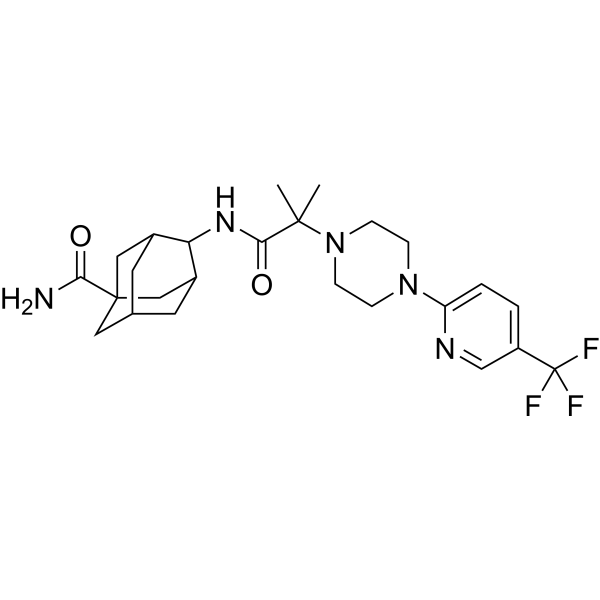
    ABT-384 is a potent, selective 11-β-hydroxysteroid dehydrogenase type 1 (11β-HSD1) inhibitor. ABT-384 exhibits high affinity (Ki 0.1-2.7 nM) against rodent, monkey, and human 11β-HSD1. ABT-384 blocks regeneration of active cortisol. ABT-384 can be used for the research of Alzheimer’s disease (AD) .
    ABT-384
  • HY-150510A

    Histone Methyltransferase Neurological Disease Cancer
    MS8511 (hydrochloride) is a selective G9a/GLP covalent irreversible inhibitor by targeting a cysteine residue at the substrate binding site, with IC50 values of 100 nM (G9a) and 140 nM (GLP), and Kd values of 44 nM (G9a) and 46 nM (GLP). MS8511 (hydrochloride) reduces the cellular H3K9me2 level and enhances antiproliferation activity. MS8511 (hydrochloride) can be used for the research of several types of cancers including brain, breast, ovarian, lung, bladder, melanoma, colorectal cancer, and other disease such as Alzheimer’s disease (AD), sickle cell disease, Prader−Willi syndrome (PWS) .
    MS8511 hydrochloride
  • HY-178323

    5-HT Receptor Arrestin Neurological Disease
    MW073 is a highly selective and orally active 5-HT2BR antagonist (IC50 =70 nM). MW073 exerts its effects by concentration-dependently inhibiting receptor activity and β-arrestin-1 recruitment. MW073 ameliorates synaptic plasticity and behavioral deficits, including aggression, in Alzheimer’s disease (AD) mouse models. MW073 can be used for Alzheimer’s disease (AD) research [1][2].
    MW073
  • HY-N11641

    Cholinesterase (ChE) Neurological Disease
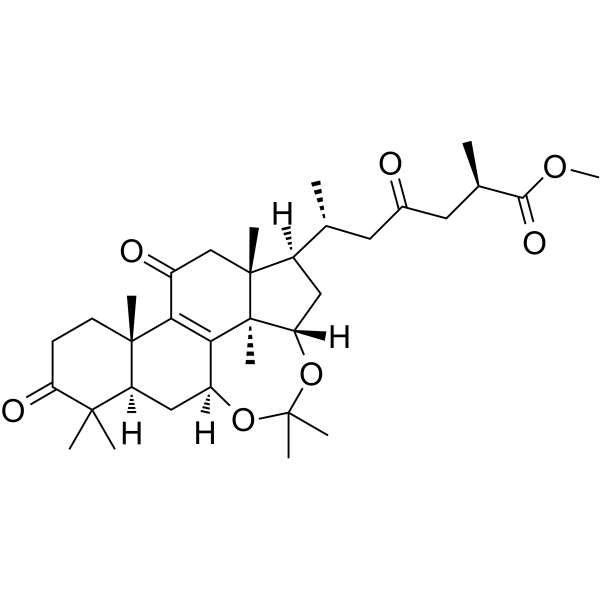
    Methyl ganoderate A acetonide, a lanostane triterpene, is a natural product that could be isolated from the fruiting bodies of Ganoderma lucidum. Methyl ganoderate A acetonide is a potent AChE inhibitor with an IC50 value of 18.35 μM. Methyl ganoderate A acetonide can be used in research of Alzheimer’s disease (AD) .
    Methyl ganoderate A acetonide
  • HY-152671

    Monoamine Oxidase Neurological Disease
    hMAO-B-IN-4 (compound B10) is a selective, reversible and blood–brain barrier (BBB) penetrable human monoamine oxidase-B (hMAO-B) inhibitor with an IC50 value and a Ki value of 0.067 and 0.03 μM, respectively. hMAO-B-IN-4 inhibits hMAO-A with an IC50 value of 33.82 μM. hMAO-B-IN-4 can be used for Alzheimer’s disease (AD) and Parkinson’s disease (PD) research .
    hMAO-B-IN-4
  • HY-50682S

    TTP488-d9; PF-04494700-d9

    Isotope-Labeled Compounds Amyloid-β Neurological Disease Endocrinology
    Azeliragon-d9 (TTP488-d9) is the deuterium labeled Azeliragon (HY-50682). Azeliragon (TTP488) is an orally bioavailable inhibitor of the receptor for advanced glycation end products (RAGE) in development as a potential treatment to slow disease progression with mild Alzheimer’s disease (AD) . Azeliragon also can cross the blood-brain barrier (BBB) .
    Azeliragon-d9
  • HY-178054

    Keap1-Nrf2 Drug Derivative Neurological Disease
    LMDP10 is an orally active 3-amino quinazoline derivative with Keap1-Nrf2 pathway activation activity. LMDP10 binds to Keap1 to inhibit Keap1-Nrf2 interaction, thereby activating the Nrf2 pathway. LMDP10 elevates Nrf2, SOD, and GSH levels, reduces MDA and TNF-α levels, attenuates neurodegeneration, and improves memory function in Alzheimer’s disease (AD) rats. LMDP10 can be used for the study of AD .
    LMDP10
  • HY-P4704

    α-synuclein Neurological Disease
    α-Synuclein (61-95) (human) is the hydrophobic core region of α-synuclein, and induces neuronal cell death. α-Synuclein (61-95) (human) can be used for research of neurodegenerative diseases, including Alzheimer’s disease (AD) and Parkinson’s disease (PD) .
    α-Synuclein (61-95) (human)
  • HY-146068

    Cathepsin Neurological Disease
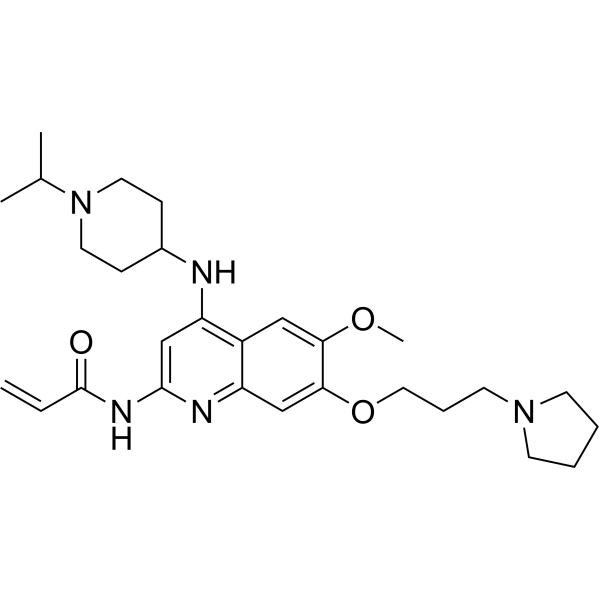
    AEP-IN-1 (Compound 13e) is a CNS agent-like non-covalent inhibitor of asparagine endopeptidase (AEP), with the IC50 of 89 nM. AEP-IN-1 can be used for the research of numerous neurological diseases such as Alzheimer’s disease (AD) .
    AEP-IN-1
  • HY-144446

    Cholinesterase (ChE) Neurological Disease
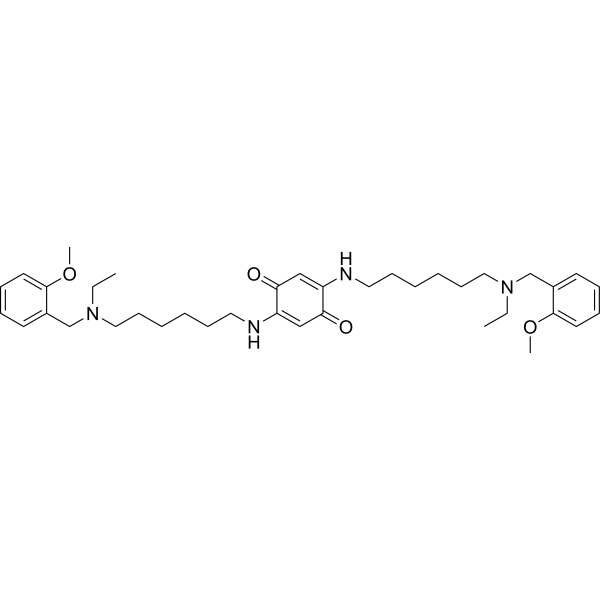
    BuChE-IN-1 (Compound 23) is a potent inhibitor of butyrylcholinesterase (BuChE). Butyrylcholinesterase (BuChE) is recently regarded as a biomarker in progressed Alzheimer’s disease (AD). BuChE-IN-1 shows low cytotoxicity and high blood brain barrier (BBB) permeability. BuChE-IN-1 is a promising BuChE inhibitor for the research of AD .
    BuChE-IN-1
  • HY-153189

    Trk Receptor Neurological Disease
    TrkB-IN-1 is a potent and orally active TrkB agonist and has favorable PK properties. TrkB-IN-1 reverses the cognitive defects in an AD mouse model and can be used for alzheimer’s disease research .
    TrkB-IN-1
  • HY-178454

    Monoamine Oxidase Amyloid-β Mitochondrial Metabolism Apoptosis Reactive Oxygen Species (ROS) COX NF-κB Neurological Disease
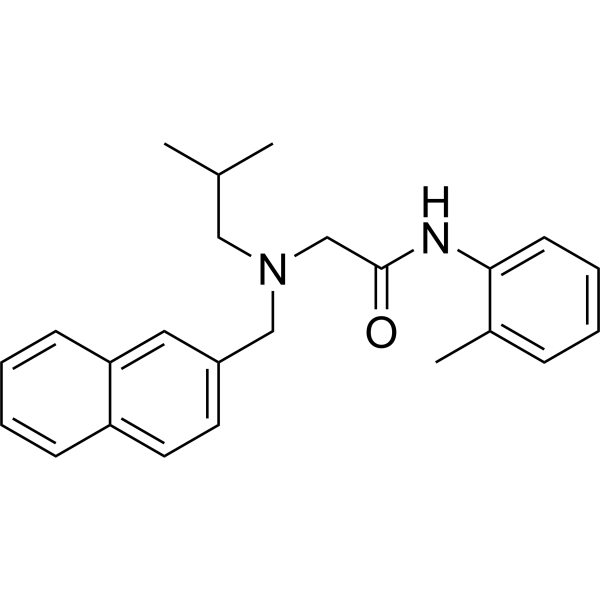
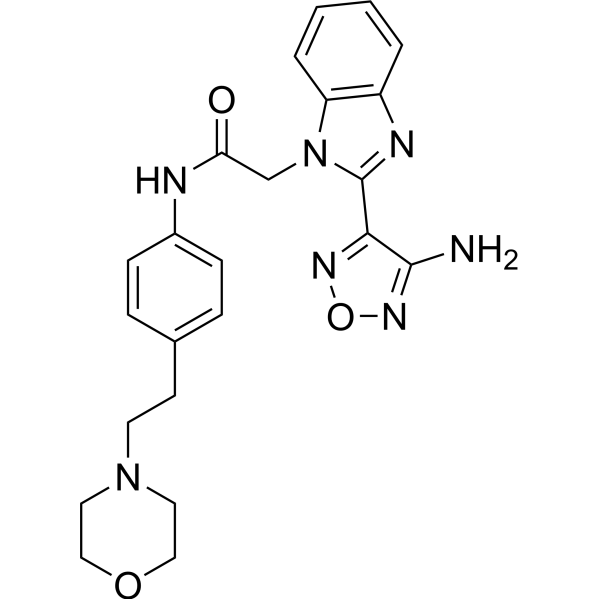
    Multitarget AD-IN-3 is a brain-penetrant neuroprotective agent. Multitarget AD-IN-3 can selectively inhibit MAO-B with an IC50 of 4.42 μM and a SI of 18.12. Multitarget AD-IN-3 can eliminate ROS. Multitarget AD-IN-3 Multitarget AD-IN-3 can inhibit 1-42 self-aggregation and can reverse Aβ1-42-induced mitochondrial membrane depolarization and inhibit apoptosis. Multitarget AD-IN-3 can be used for the research of neurological disease, such as Alzheimer’s disease .
    Multitarget AD-IN-3
  • HY-N12581

    Cholinesterase (ChE) Neurological Disease
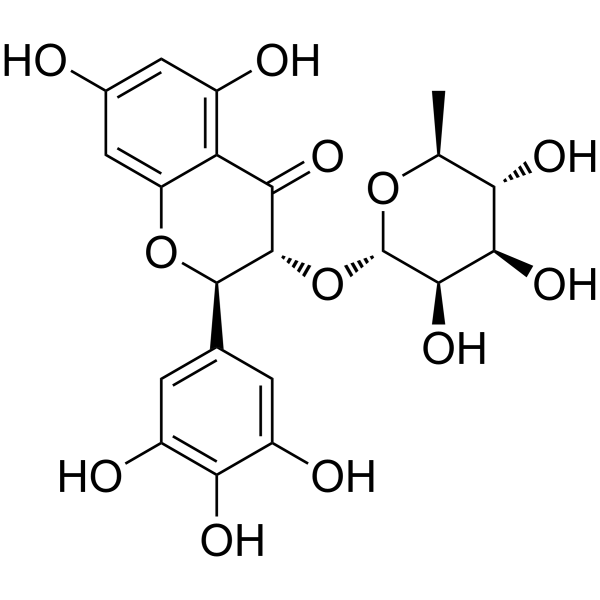
    Kuwanon U is a potent cholinesterase inhibitor with IC50s of 19.69, 10.11 µM and Kis of 6.48, 9.59 µM for acetylcholinesterase (AChE) and butyrylcholinesterase (BChE), respectively. Kuwanon U has the potential for the research of Alzheimer’s disease (AD) .
    Kuwanon U
  • HY-W841438

    Amyloid-β Tau Protein Neurological Disease
    Lithium orotate is an orally active lithium supplement with reduced binding that can bypass amyloid sequestration in AD mice models. Lithium orotate can prevent Aβ plaque deposition and phospho-tau accumulation and reverse AD pathology, neuroinflammatory changes and memory loss in AD mice models and ageing wild-type mice. Lithium orotate can be used for the research of alcoholism and Alzheimer’s disease .
    Lithium orotate
  • HY-151152

    Cholinesterase (ChE) Neurological Disease
    AChE-IN-24 is a potent AChE inhibitor and can penetrate the BBB. AChE-IN-24 has the mighty inhibitory activity to hAChE with an IC50 value of 0.053 μM. AChE-IN-24 can be used for the research of Alzheimer s disease (AD) .
    AChE-IN-24
  • HY-178171

    AMPK CDK Neurological Disease
    ARUK2010489 (Compound 23) is a potent, selective and brain-penetrant NUAK1 inhibitor with a pIC50 of 8.7. ARUK2010489 also inhibits CDK2, CDK4 and CDK6 activity, with inhibitory rate of 7%, 39% and 26% at 1 μM. ARUK2010489 can be used for the research of neurological disease, such as Alzheimer’s disease (AD) .
    ARUK2010489
  • HY-149087

    Cholinesterase (ChE) NF-κB Interleukin Related TNF Receptor CCR NOD-like Receptor (NLR) JNK NO Synthase Neurological Disease Inflammation/Immunology
    MR2938 is a potent AChE inhibitor, with an IC50 of 5.04 μM. MR2938 also suppresses NO production obviously (IC50 = 3.29 μM). MR2938 suppresses the neuroinflammation through blocking MAPK/JNK and NF-κB signaling pathways. MR2938 can be used for Alzheimer’s disease (AD) research .
    MR2938
  • HY-169080

    Apolipoprotein Neurological Disease
    ABCA1 inducer 1 is a nonlipogenic ABCA1 inducer. ABCA1 inducer 1 increases ABCA1 expression, enhances apolipoprotein (APOE) lipidation and reverses multiple Alzheimer’s disease (AD) phenotypes, without increasing triglycerides in E3/4FAD mice that express human APOE 3/4 .
    ABCA1 inducer 1
  • HY-179337

    Phosphodiesterase (PDE) PKA Neurological Disease
    PDE2-IN-1 is a potent and orally active PDE2 inhibitor with an IC50 of 0.6 μM, demonstrating neuroprotective effects. PDE2-IN-1 modulates the PKA/CREB/BDNF signaling pathway by inhibiting PDE2. PDE2-IN-1 improves memory deficits and cognitive impairment in an okadai acid (OKA)-induced Alzheimer’s disease (AD) mouse model. PDE2-IN-1 can be used for the research of AD .
    PDE2-IN-1
  • HY-N1524

    Amyloid-β MDM-2/p53 Apoptosis Neurological Disease Metabolic Disease Inflammation/Immunology Cancer
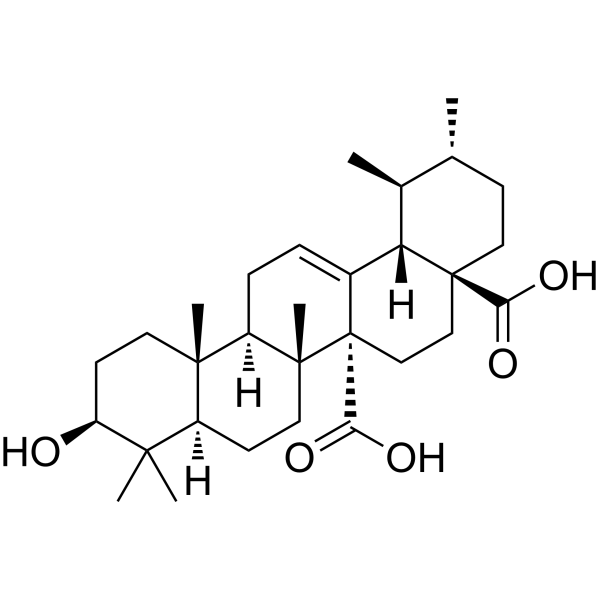
    Quinovic acid is triterpene. Quinovic acid can ameliorate the Amyloid-β burden, p53 expression and cholesterol accumulation by deterring the oxidative stress through upregulating the Nrf2/HO-1 pathway. Quinovic acid can induce cancer cells apoptosis by upregulating death receptor 5 (DR5). Quinovic acid can be used for the researches of cancer, inflammation, metabolic and neurological disease, such as lung cancer and Alzheimer’s disease (AD) .
    Quinovic acid
  • HY-176254

    Histone Demethylase Amyloid-β Neurological Disease
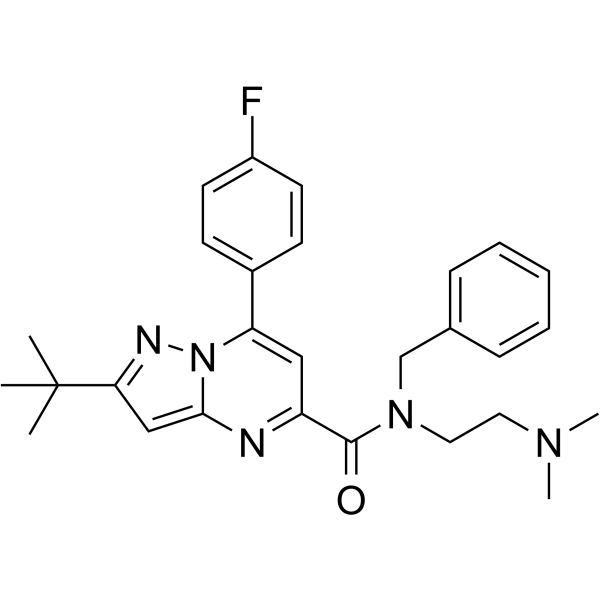
    LSD1-IN-43 is a highly selective, reversible, orally active and brain-penetrant LSD1 inhibitor with an IC50 value of 0.8 μM. LSD1-IN-43 has low inhibitory activity against MAO-A and MAO-B, two homologs of LSD1. LSD1-IN-43 significantly inhibits aggregation and enhances Aβ-induced neuronal cell viability. LSD1-IN-43 can be used for the study of Alzheimer’s disease (AD).
    LSD1-IN-43
  • HY-149279

    JNK Neurological Disease
    JNK3 inhibitor-7 is a potent, orally active and cross the blood-brain barrier JNK3 inhibitor with IC50 values of 53, 973, 1039 nM for JNK3, JNK2, JNK1, respectively. JNK3 inhibitor-7 shows significant neuroprotective effects. JNK3 inhibitor-7 has the potential for the research of Alzheimer’s disease (AD) .
    JNK3 inhibitor-7
  • HY-14930R

    SK3530 (Standard)

    Phosphodiesterase (PDE) Glucocorticoid Receptor Wnt β-catenin Apoptosis Reference Standards Neurological Disease Inflammation/Immunology Endocrinology
    Mirodenafil (Standard) is the analytical standard of Mirodenafil. This product is intended for research and analytical applications. Mirodenafil (SK3530) is an orally active, potent, reversible, and selective phosphodiesterase 5 (PDE5) inhibitor. Mirodenafil is a glucocorticoid receptor (GR) modulator Mirodenafil activates the Wnt/β-catenin signaling pathway by downregulating Dkk1 expression. Mirodenafil can be used for the research of erectile dysfunction (ED), Alzheimer’s disease (AD) and systemic sclerosis (SSc) .
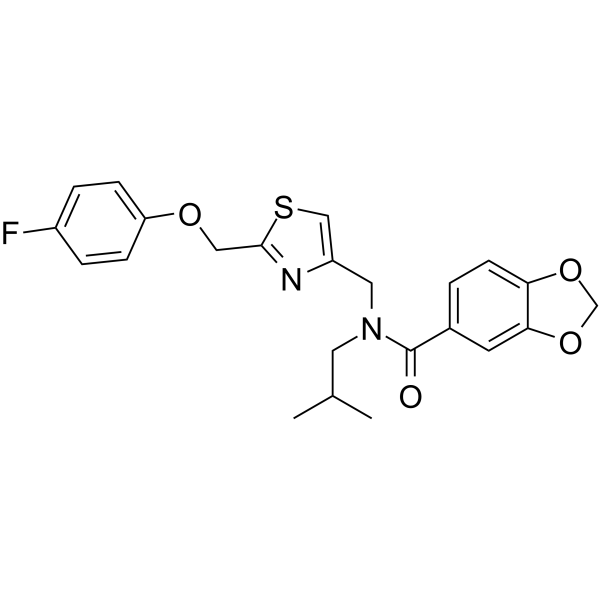
    Mirodenafil (Standard)
  • HY-177854

    Amyloid-β Neurological Disease
    Aβ aggregation-IN-4 can alleviate the neurotoxicity of amyloid-β protein (Aβ) and significantly reduce the level of oligomeric complexes of Aβ (Aβ-OCs). Aβ aggregation-IN-4 does not decrease the level of amyloid-β protein (Aβ). Aβ aggregation-IN-4 attenuates Aβ oligomerization and prevents oligomer-induced death of primary cortical neurons. Aβ aggregation-IN-4 can be used for the study of Alzheimer’s disease (AD) .
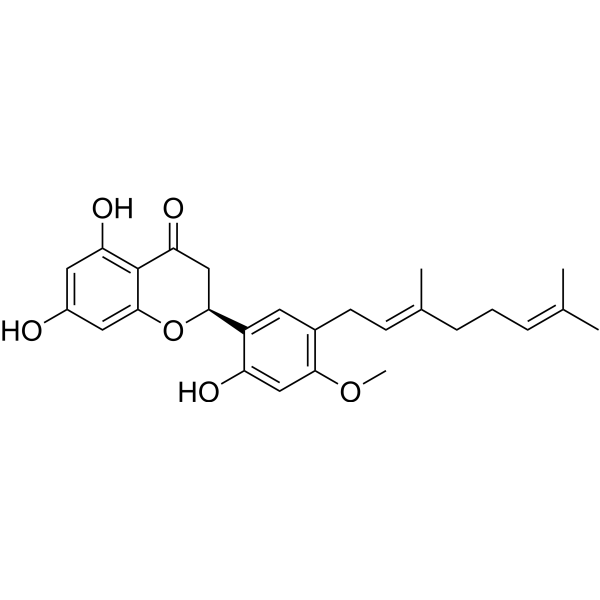
    Aβ aggregation-IN-4

Inquiry Online

Your information is safe with us. * Required Fields.

Salutation


Country or Region *

Applicant Name *


Organization Name *

Department *


Email Address *


Product Name *

Cat. No.


Requested quantity *

Phone Number *


Remarks

Inquiry Online

Inquiry Information

Product Name:
Cat. No.:
Quantity:
MCE Japan Authorized Agent: